- Sep 30, 2024
Before the Flames Go Out: Recognizing and Preventing Burnout
- Rachel Ougier Simonin
Have you ever felt like a candle burning at both ends?
You start out bright and motivated, but slowly the flame dwindles, the wick blackens, and the light flickers uncertainty. This isn't just a metaphor; it's the essence of burnout.
Burnout is a state of emotional, physical, and mental exhaustion caused by prolonged or excessive stress. It's more than just feeling tired. It's a deep sense of cynicism, detachment, and reduced effectiveness at work. A 2020 study by the World Health Organization even classified burnout as an occupational phenomenon [1].
The numbers paint a concerning picture. A 2021 report suggests that nearly half of all workers experience burnout [2]. This isn't just a personal struggle; it impacts businesses too. Burnout leads to decreased productivity, increased absenteeism, and higher healthcare costs.
But here's the good news: burnout is preventable. By recognizing the signs and taking proactive steps, you can protect yourself and your well-being.
The Warning Signs:
Emotional exhaustion: Feeling constantly drained and emotionally spent.
Cynicism and detachment: Cynicism towards your job, colleagues, or even your achievements.
Reduced effectiveness: A decline in productivity, motivation, and concentration.
Physical symptoms: Headaches, fatigue, changes in appetite or sleep patterns.
You may think this only happens to others!
Key fact: 0% of the people who burnout see it coming.
We are not lucid when we head to burnout.
I want to share a personal story to illustrate.
I had a big job and was working really hard, in a highly stressful environment. As I took a 1 week holiday break to join a close friend's wedding, each time someone asked what job I had, I would start crying!
I was not sad per say: I just could no longer take it. And I had not seen it coming at all! I knew I was tired, but I thought I could keep going at that rythm, despite the warnings such as weight loss or insomnia.
I was lucky enough to have this wedding as an eye opener. For all the others, only people around you can make you realize what you're heading into: alone, you do not have the step back to acknowledge so.
Another key fact? 100% of the people who burnout are committed.
It is the hard workers, the ones who care - who burnout. And so that makes the financial and operational consequences even worse.
And to be clear: we are not talking here about another sick leave. Burnout can take years to recover from.
I for instance met an executive who had a PhD and a great career: 2 years after being on sick leave, she still could not cook, because following recipe instructions was too complicated.
To prevent burnout from happening, it's all about building up resilience and creating the right environment.
Resilience is about:
Setting boundaries: Learn to say no and disconnect from work outside of work hours.
Introducing self-care: Make time for activities that bring you joy and relaxation.
Seeking for support: Talk to a trusted friend, family member, or therapist. Keep an eye on your colleagues, and have them keep an eye on you.
Nurture healthy habits: Eat nutritious food, get enough sleep, and exercise regularly.
Some solutions have been designed to help you boost your resilience, such as Thee Puzzle [3].
The objective is to live well with stress and uncertainty: it is about finding the right tool that will rejuvenate your flame. It is about living an amazing life, no matter!
Beyond individuals:
Preventing burnout isn't just a personal responsibility; it's a call to action for employers too.
Fostering a supportive work environment, promoting open communication, and offering flexible work arrangements can significantly reduce the risk of burnout for employees.
Let's break the cycle of burnout. Together, we can create burnout free workplaces. At Thee Puzzle [3], we recommend to work at 3 levels to eradicate burnout:
Individual, to boost your emotional intelligence.
Team dynamics, to restore the trust and engagement between associates and beyond
Work environment, to ensure processes and tools are enabling
Have the ambition to become the leaders everyone dreams to be, working for the company everyone dreams of working for!
Here are some resources that can help:
[1] World Health Organization: https://www.who.int/news/item/28-05-2019-burn-out-an-occupational-phenomenon-international-classification-of-diseases
[2] American Psychological Association: https://dictionary.apa.org/burnout
[3] Thee Puzzle: https://theepuzzle.com
Sources
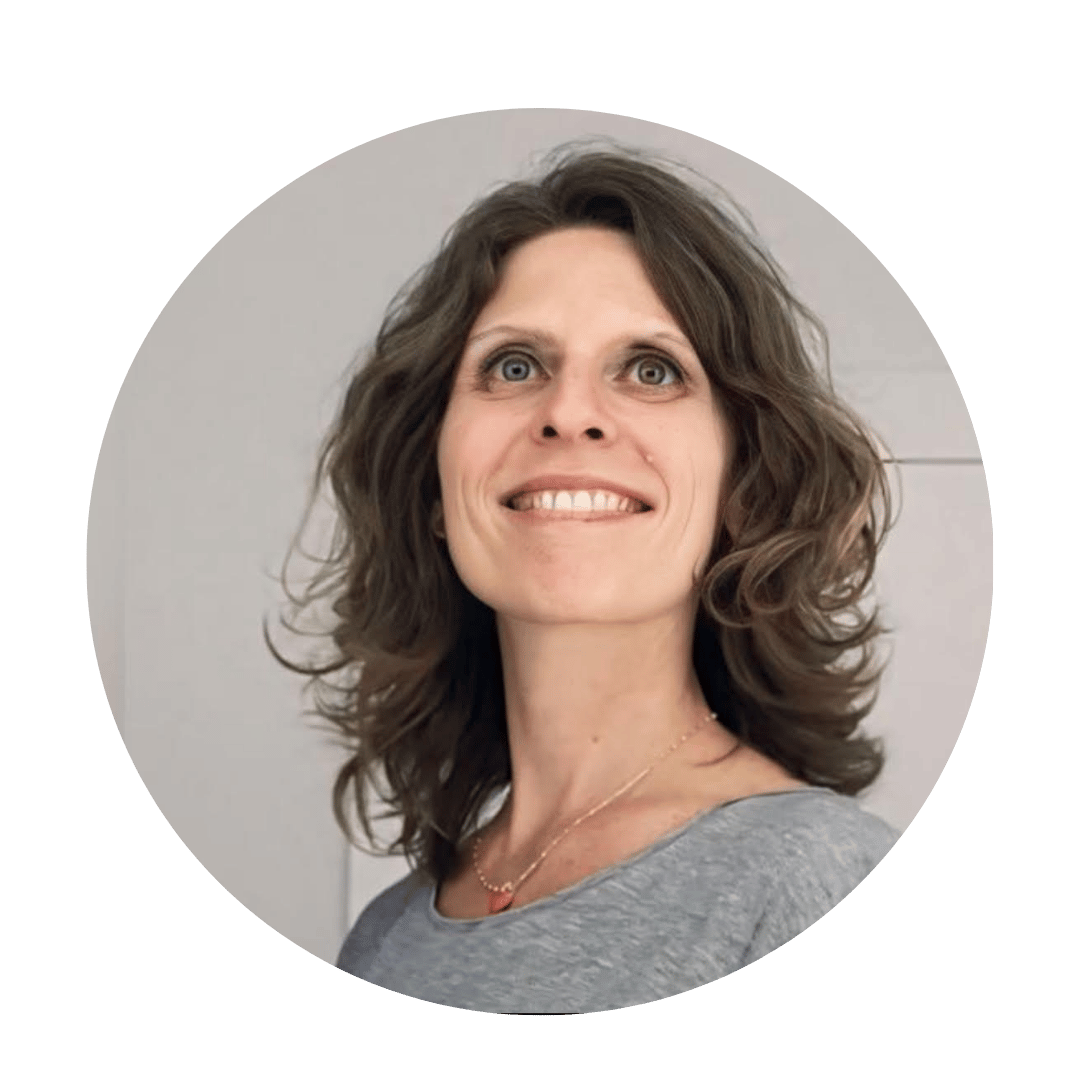
About our Thought Provoker: Rachel Ougier Simonin is an Entrepreneur - previously senior executive - who successfully created from scratch 4 global organizations and businesses, with measurable impacts. She is working with companies and individuals to prevent burnout; and has the ambition to give us time back.
Preventing burnout isn't just about recognizing the signs; it requires both personal and organizational changes. Employee Resource Groups (ERGs) can play a key role in offering support, but it’s important to remember that a toxic workplace is only part of the problem. Learn more in our articles on The Power of Employee Resource Groups (ERGs) and Burnout – Why A Toxic Workplace Is Only Half Of The Equation.
Read more blogs:
How to have difficult conversations with your team
Menopause At Work – Let’s Finally Talk About It!
How To Avoid Pitfalls Of Diversity, Equity, Inclusion (DEI) Training