- Sep 1, 2024
The Gender Pay Gap Explained: How to Close It, Case Studies and Tools
- Shake Up The Workplace
The gender pay gap continues to be a pressing issue in today's workforce. Despite advancements in equality, women still earn less than men for similar work. This disparity affects not just individuals but also the broader economy and organizational efficiency. Understanding the gender pay gap, its causes, and effective strategies to close it is essential for creating a fairer and more equitable workplace.
What is the Gender Pay Gap?
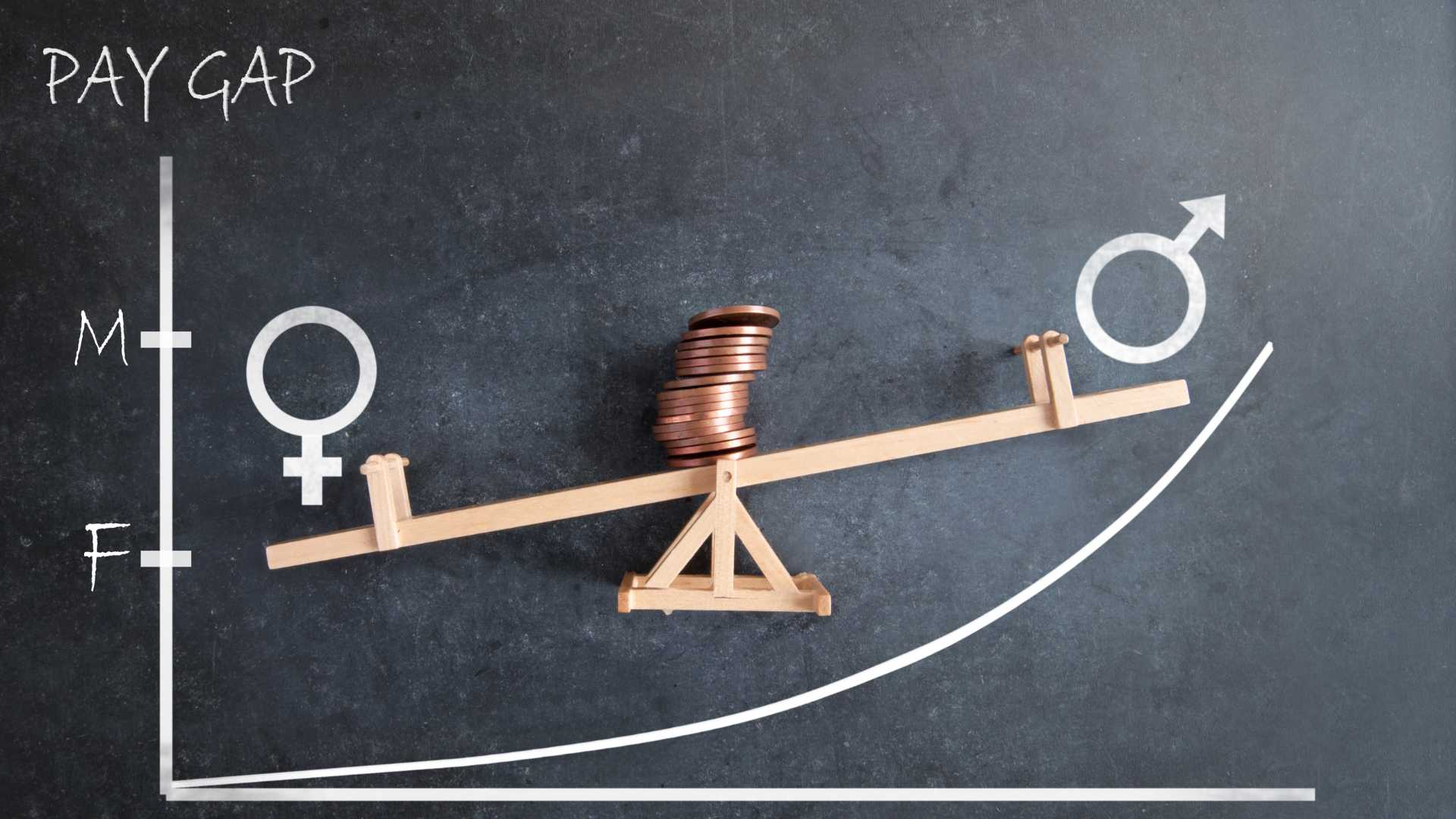
The gender pay gap refers to the difference in average earnings between men and women across various industries and roles. It is typically expressed as a percentage of men’s earnings and reflects systemic disparities in pay. For example, if women earn 80 cents for every dollar earned by men, the gender pay gap is 20%.
Why Does the Gender Pay Gap Persist?
Several factors contribute to the ongoing gender pay gap:
Occupational Segregation: Women and men often work in different professions, with female-dominated fields generally offering lower salaries. For instance, roles in education and caregiving, which are predominantly filled by women, tend to be less well-paid compared to male-dominated sectors like engineering and finance.
Workplace Discrimination: Implicit biases and stereotypes can affect hiring, promotions, and salary decisions. Women may face barriers to advancement or be undervalued compared to their male counterparts, impacting their earning potential.
Career Interruptions: Women are more likely to take career breaks for caregiving responsibilities, such as raising children or caring for family members. These interruptions can affect career progression and salary growth over time.
The Current State of the Gender Pay Gap
As of 2024, the global gender pay gap remains significant. According to the World Economic Forum's Global Gender Gap Report 2024, the global gender gap stands at 31.4%, with economic participation and opportunity showing the largest disparity at 41.2% . The report estimates that it will take approximately 131 years to close the global gender gap at the current pace of progress.
Benefits of Closing the Gender Pay Gap
Addressing the gender pay gap not only promotes fairness but also yields significant organizational and economic benefits. By implementing equitable pay practices, companies can enhance employee productivity, bolster their reputation, and contribute to broader economic growth. Key benefits include:
Enhanced Productivity: Equitable pay practices can boost employee engagement and productivity. When employees feel valued and fairly compensated, they are more motivated and committed to their roles, leading to better performance and outcomes.
Improved Reputation: Organizations known for their commitment to gender pay equity often enjoy a stronger brand image. This positive reputation can attract top talent, increase customer loyalty, and create a competitive advantage.
-
Economic Growth: Reducing the gender pay gap can contribute to broader economic growth. As women earn more, their increased spending power can drive economic expansion and create a more inclusive economy.
Strategies for Closing the Gender Pay Gap
Implementing practical measures is crucial for making significant strides towards pay equity. Organizations can achieve this by focusing on specific strategies that address the root causes of wage disparities. Key strategies include:
Conduct Pay Audits: Regularly review and analyze pay data to identify and address disparities.
Promote Pay Transparency: Ensure clear communication about pay practices to prevent discrimination.
Support Career Development: Provide training and advancement opportunities to help women progress in their careers.
Implement Family-Friendly Policies: Offer flexible work arrangements and parental leave to support work-life balance.
-
Foster an Inclusive Culture: Create a workplace that values diversity and addresses unconscious biases.
Tools and Resources to Help Close the Gender Pay Gap
For companies looking to take actionable steps towards pay equity, there are several tools and resources available:
Logib (Switzerland): Logib is a tool provided by the Swiss government to help businesses assess and close the gender pay gap. It allows companies to conduct self-assessments of their wage structures and identify any unjustified pay disparities.
Wage Gap Calculator (USA): In the United States, the Wage Gap Calculator developed by an NGO provides valuable data and insights on the wage gap in various industries. It also offers guidance on how companies can work towards reducing this gap.
Case Studies: Companies Leading the Way
Some companies have made significant strides in closing the gender pay gap through innovative strategies:
Salesforce: Salesforce is a prime example of a company committed to pay equity. The company conducts regular pay audits and has spent millions to close the pay gap among its employees. This commitment has helped Salesforce maintain its reputation as a leader in diversity and inclusion.
Unilever: Unilever has taken comprehensive steps to close the gender pay gap by implementing a global framework that includes equal pay audits, transparency in compensation practices, and robust career development programs for women. Challenges for Unilever include managing cultural differences across countries and ensuring consistent application of their pay equity policies. The company’s efforts have been recognized as a model for other global corporations.
IKEA: IKEA has introduced initiatives such as gender-neutral job evaluations and transparency in wage-setting processes to ensure equal pay for equal work. Their challenges involve overcoming biases in job evaluations and maintaining consistent policy application across different regions. Their commitment has led to significant improvements in pay equity across their global workforce.
Guidance from the Women's Empowerment Principles (WEPS)
The WEPS guidance provides practical steps for tackling gender pay disparities. Organizations should implement targeted plans to address wage imbalances, carry out regular evaluations of pay practices to uncover and track gaps, and ensure clear communication about how salaries are set. Additionally, creating equal opportunities for career growth is vital for achieving fair compensation across the board.
Taking Action for a Fair Future
Achieving true workplace equality requires more than just acknowledging pay disparities; it involves proactive and strategic efforts to foster fairness. By adopting effective strategies, promoting transparency, and supporting career development, organizations can move towards closing the gender pay gap. The impact of a fair and inclusive workplace extends beyond individual organizations, driving broader economic and social progress.
Closing the gender pay gap requires more than just understanding disparities; it involves systemic changes in workplace practices. Implementing equitable pay practices can boost productivity and enhance a company’s reputation. Addressing issues like occupational segregation and supporting career development are crucial steps.
Read more blogs:
Amplifying Organizational Wellbeing: The Power of an Entrepreneurial Mindset and Communities
Power of Employee Resource Groups (ERGs)
How to have difficult conversations with your team
Burnout – Why A Toxic Workplace Is Only Half Of The Equation
Menopause At Work – Let’s Finally Talk About It!
How To Avoid Pitfalls Of Diversity, Equity, Inclusion (DEI) Training